Skyroot lines up its first orbital attempt as private launches become routine
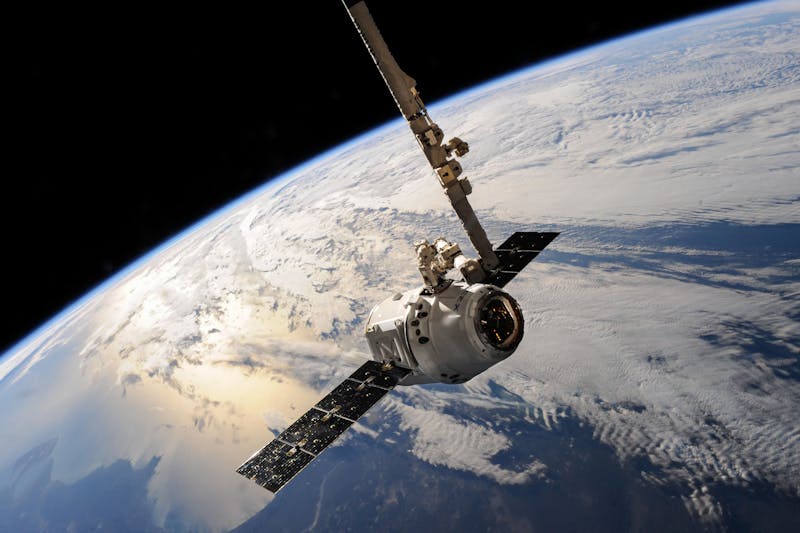
Skyroot Aerospace's preparation for its first orbital launch attempt with the Vikram I vehicle in 2025 marks the next logical step in a development programme that has proceeded with unusual consistency for a startup operating in one of the most capital- and technically-intensive industries in the world. The Hyderabad company, founded by former ISRO engineers Pawan Kumar Chandana and Naga Bharath Daka, completed India's first private sub-orbital rocket launch in November 2022 with Vikram-S - a single-stage demonstrator that validated the company's cryogenic and solid-propellant propulsion systems at altitude. Vikram I is a meaningfully more ambitious vehicle than the demonstrator. The three-stage rocket, designed to carry up to 480 kilograms to low-Earth orbit at an inclination of 45 degrees or around 315 kilograms to a sun-synchronous orbit, targets the growing small-satellite market where customers - including Indian domestic operators, international new-space startups and government agencies - are looking for low-cost, dedicated launch windows rather than the ride-share slots that have historically dominated sub-two-hundred-kilogram payloads. Skyroot's technical architecture includes a mix of solid-propellant upper stages and a cryogenic second stage, a combination that provides the specific-impulse efficiency needed for orbit insertion while keeping the lower stages simple and reliable. The company has been conducting stage-level firing tests across multiple facilities and has shared results from over a hundred engine tests across its propulsion development programme - a data set that gives investors and customers confidence in the reliability of the underlying technology. The commercial pipeline for the orbital launch is being assembled through payload agreements with early customers who are willing to accept the slightly higher risk premium associated with the first few orbital flights of a new vehicle. This is a standard market dynamic - even SpaceX's Falcon 9 carried government-funded development payloads on its early flights - and does not reflect negatively on the fundamental demand for dedicated Indian launch capacity. What to watch: the specific orbital insertion accuracy achieved on the first commercial flight, how the payload manifest for subsequent Vikram I flights develops once initial reliability is demonstrated, and whether Skyroot proceeds to Vikram II - a larger vehicle with LEO capacity above a tonne - on the timeline that the company's fundraising roadmap implies. The talent retention picture at Skyroot as the company moves from development to operations is also relevant, since rocket engineers are increasingly sought after by the global new-space industry. Beyond the hardware milestone, the pricing benchmark Skyroot establishes for dedicated LEO launches will shape Indian small-satellite operators' build-or-buy decisions for years, making the first few commercial contracts as strategically significant as the launch itself.
Original source: Mint