PLI 2.0 for electronics: what the second-round rules say about India's manufacturing ambition
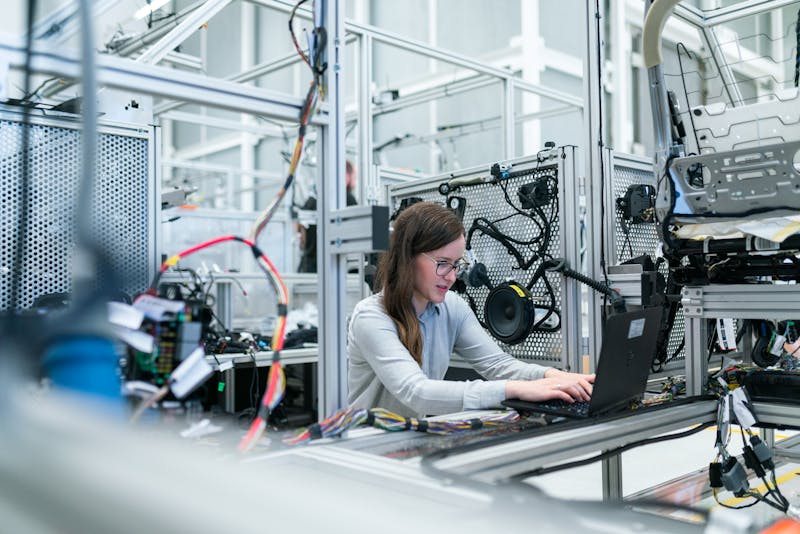
The refreshed Production-Linked Incentive scheme for IT hardware and components, which opened its second round of applications in early 2025 with revised eligibility criteria and extended disbursement timelines, represents a more thoughtful industrial policy intervention than its predecessor. The first PLI round attracted applications from large-scale assemblers - primarily Apple contract manufacturer Foxconn's subsidiaries and domestic champions like Dixon Technologies - focused on smartphone and laptop final assembly. The second round's design reflects lessons learned: it pushes applicants toward deeper value addition by requiring progressive local-content ratios and by extending incentives to component manufacturers of displays, lithium-ion batteries and mechanical parts that were almost entirely imported under the first-wave assembly operations. The incentive structure uses a tiered approach that rewards higher value-addition percentages with higher incentive rates, creating a financial nudge toward the deep-manufacturing investments that India needs to reduce its dependence on Chinese component supply chains. This is a more sophisticated design than a flat-percentage rebate on production, and it aligns with the stated goal of moving India up the electronics manufacturing value chain rather than permanently anchoring at the final-assembly stage. The applicant mix for the second round is more diverse than the first. Contract manufacturers from Japan, South Korea and Taiwan have submitted expressions of interest for specific component categories - printed circuit boards, camera modules, and wire harnesses - where India's labour cost advantage and improving industrial infrastructure create a viable alternative to existing Asian production locations. The government has been running a parallel effort to develop electronics manufacturing clusters in states including Tamil Nadu, Karnataka, Telangana and Uttar Pradesh, providing the industrial land, power and water infrastructure that component manufacturers require at scale. The policy's interaction with the broader geopolitical supply-chain diversification trend is important context. Major US and European technology companies have been mandated or incentivised by their own governments to reduce dependence on Chinese electronics supply chains, and India has positioned itself as the primary alternative location. PLI 2.0's design is partly calibrated around the specific component requirements of Apple's India supply chain - which is the most visible and strategically important manufacturing investment India has attracted - and around the component needs of the Indian government's domestic electronics procurement requirements under Make in India mandates. What to watch: whether the component-manufacturer applications translate into actual facility commitments and construction starts, how the local-content ratio targets are enforced and whether exceptions are granted in cases where no domestic supply alternative exists, and whether PLI 2.0 disbursements occur on schedule or repeat the delays that affected some first-round claims.
Original source: Mint