Cerebras files for a US listing, and India's AI-compute crowd gets a new comparable
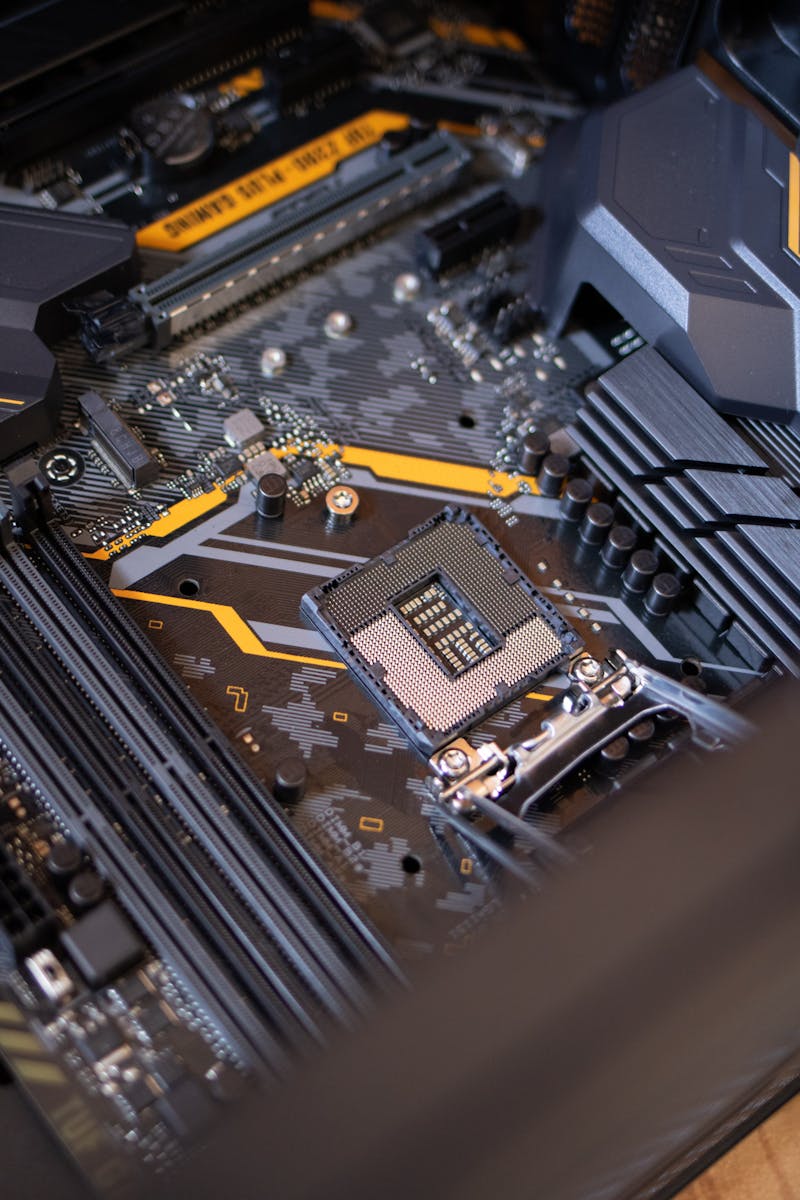
Cerebras Systems' S-1 filing with the US Securities and Exchange Commission in September 2024 was, commercially, one of the more unusual documents in recent technology IPO history. The company makes the world's largest processor die - the Wafer Scale Engine, a single chip the size of a dinner plate that contains more transistors than a rack full of Nvidia GPUs - and its early commercial traction was highly concentrated in a single customer: G42, the Abu Dhabi artificial intelligence conglomerate, which accounted for over eighty percent of Cerebras's disclosed revenue. This concentration immediately dominated the investor discussion around the filing. The business logic of the Cerebras architecture is genuine. For certain AI inference workloads - particularly the autoregressive text generation that underlies ChatGPT-like interfaces - the Wafer Scale Engine's massive on-chip memory and interconnect bandwidth enable token generation speeds that are dramatically faster than conventional GPU clusters. The speed advantage is not a marginal improvement but an order-of-magnitude difference on specific workloads, which creates real use-case value for applications where inference latency is the limiting factor: real-time voice AI, interactive tutoring, gaming NPCs and certain financial-trading applications. The G42 concentration risk is, however, a material disclosure that complicated the IPO. A company whose revenue base is dominated by a single sovereign investor raises questions about the durability of the commercial relationship, the independence of the pricing, and the resilience of the business if that relationship changes. G42's own geopolitical position - a UAE technology company with historical Chinese investment that subsequently divested under US pressure - added a further layer of regulatory uncertainty to the customer relationship. For Indian AI-compute infrastructure players - including Yotta Data Services, CtrlS Datacenters and the AI cloud operations that Tata Communications and Reliance Jio have been building - the Cerebras filing is a useful reference document. It discloses pricing structures for AI inference capacity, describes the technical specifications that enterprise customers require when evaluating GPU versus wafer-scale compute alternatives, and illustrates the sales cycle and use-case validation process for frontier AI hardware. These details are rarely available from private-market competitors. What to watch: whether Cerebras completes its IPO and at what valuation the company prices relative to the S-1 disclosure, how the G42 revenue concentration is addressed in investor roadshow discussions, and whether any Indian public-sector AI programme - IndiaAI, C-DAC or a state-government compute procurement - evaluates Cerebras hardware as an alternative to Nvidia for specific inference workloads.
Original source: SEC