ByteDance's stranded India business resurfaces in valuation talk as global buyback widens
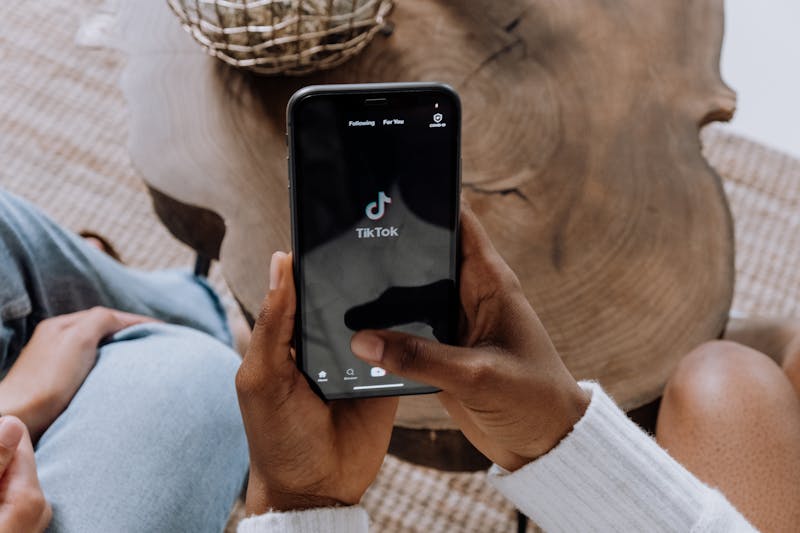
ByteDance's latest employee buyback, which re-rated the TikTok parent at valuations in the hundreds of billions of dollars on the back of its global advertising revenue growth and the commercial success of its BytePlus enterprise AI products, has brought renewed attention to the conspicuous absence of any India revenue line in the company's business profile. The 2020 ban on TikTok and fifty-eight other Chinese applications - imposed by the Indian government on national security grounds shortly after the Galwan Valley border incident - remains in effect and shows no sign of reversal, making India the largest market in the world where ByteDance is entirely absent from its most important consumer product. The physical footprint that ByteDance built during its India years has been systematically wound down. The engineering offices in Gurugram and Bengaluru, which at their peak employed several hundred software engineers and product managers, have been reduced to skeleton operations. Several of the senior Indian employees who joined ByteDance from domestic startups and Indian technology companies have relocated overseas or returned to other employers. The recruiting pipelines that ByteDance had established at IITs and IIMs have been inactive for years. For the Indian social media ecosystem, the TikTok ban's lasting legacy has been the redistribution of short-video activity across YouTube Shorts, Instagram Reels and the domestic alternatives that emerged in TikTok's absence. Moj, the ShareChat-owned short-video platform, and Josh, backed by DailyHunt parent VerSe Innovation, both benefited initially from the vacuum but have subsequently found their user bases partly recaptured by the global platforms' algorithmic and creator-monetisation investments. The Indian creator economy that TikTok had been building - particularly the vernacular-language creator community in Tier-2 and Tier-3 cities - has found homes on Instagram and YouTube but has not yet produced a platform with comparable monetisation economics for Indian-language creators. The policy question of whether India would consider reinstating ByteDance's ability to operate has been tested periodically in media reports about India-China diplomatic normalisation conversations. As of the most recent available information, there is no credible indication that the government is inclined to reverse the ban, and the commerce and technology ministries have been consistent in maintaining that the security review that led to the original ban has not produced a different conclusion. What to watch: whether any India-China diplomatic development produces a specific policy review of the Chinese app ban, how ByteDance's global investor buyback values the company relative to the India revenue opportunity that is being permanently foregone, and whether any Indian short-video platform achieves the scale to attract the kind of strategic investment that would create a genuine domestic competitor to the global platforms.
Original source: The Information