Will UPI MDR be a new revenue engine for fintech firms?
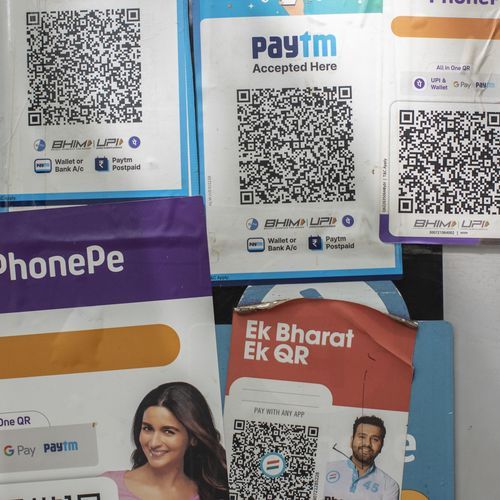
The ecosystem is bullish on valuations of fintech firms following the government’s introduction of the merchant discount rate (MDR) on UPI transactions above Rs 2000. The positive strides began with Paytm’s stock price moving up 7% on Wednesday. Investors and people aware of the sector say valuations may witness an upward trend for the next few quarters, adding that the exact effect can be detemined only thereafter. “The recent introduction of UPI MDR can make established incumbent payment-led businesses inherently more profitable,” said Deepak Gupta, General Partner, WEH Ventures. He added that investors can now invest in payments as a standalone business, rather than expecting companies to make money later from selling other financial products or services to their payments customers. The government has set a 0.4% charge on UPI payments above Rs 2,000 to merchants and capped the fee at Rs 300 for payments of Rs 75,000 and above as it rolled out a framework for large digital merchant payments. According to investor and trader Meshach Manohar, who closely tracks the fintech space, the impact of MDR on valuations could be limited. “Until now, fintech companies have offered UPI transactions for free largely to collect transaction data and understand customers' buying patterns. That data could then be used for cross-selling credit and other financial products,” he said. While the new MDR could provide a small boost to the companies' revenues and profits, it is unlikely to have a major impact on their bottom line, he added. "There could be a few percentage points of improvement in profits, perhaps around 0.5% to 1%, particularly in the first two quarters.” While fintech and payment firms are largely cheering the recent development, experts caution that it is too early to understand the direction it could take. “We had taken UPI for granted, but if I am charged like a credit card, then I will stop using it. If everyone is justifying, you don’t know customer behaviour. The festive season will show what is happening, but we need to wait for two to three quarters," said Manohar. He added, “For every UPI transaction, the failure rate is 13%, so public sector banks are bleeding. We need resilience and new ways of thinking about UPI for a wider ecosystem." Experts also believe it is still premature to talk about how fintech companies such as Paytm or Razorpay will be affected since consumer behaviour is uncertain. However, brokerage firms like Jefferies and Goldman Sachs have indicated that Paytm and Pine Labs are set to benefit in big way from the move. According to Jefferies, "the industry could generate Rs 150 billion to Rs 180 billion in revenue, to be distributed across issuers, payment apps, acquirers and banks." Jefferies raised its FY28–29 earnings estimates for Paytm by 10–12%, citing potential upside from UPI MDR. The brokerage assumes an effective 40-basis-point revenue pool after accounting for exemptions and pricing pressures. It has also increa
Original source: YourStory